Key Takeaways
- Aircon condensation occurs when excess moisture collects inside or around the unit, often due to dirt, blockages, or humidity.
- Simple fixes such as cleaning filters, clearing drain pipes, and checking insulation can prevent most aircon condensation issues.
- Persistent aircon condensation leaks or insulation faults should be inspected by a professional technician instead.
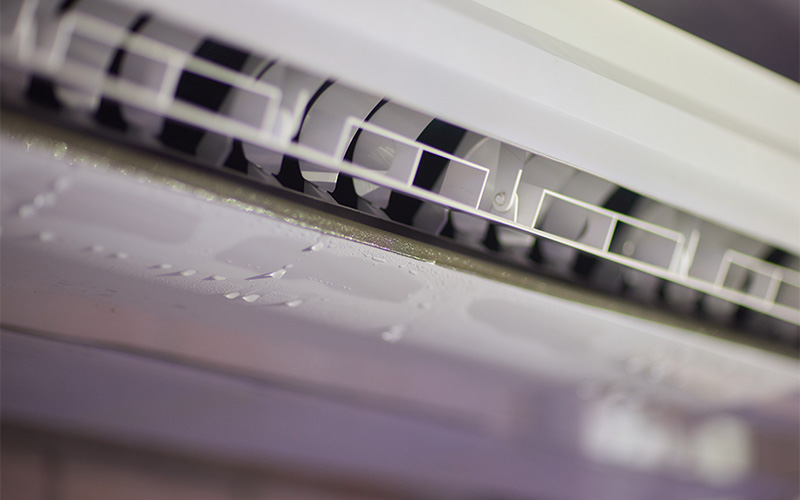
Keeping your air conditioner in good condition is essential for both comfort and efficiency, especially in Singapore’s humid climate. One of the most common complaints from homeowners is aircon condensation, where water drips or pools around the unit. While it may seem like a small issue at first, ignoring it can lead to water damage, mould, or reduced cooling performance. Understanding the causes of aircon condensation is the first step to preventing future problems.
Causes of Aircon Condensation
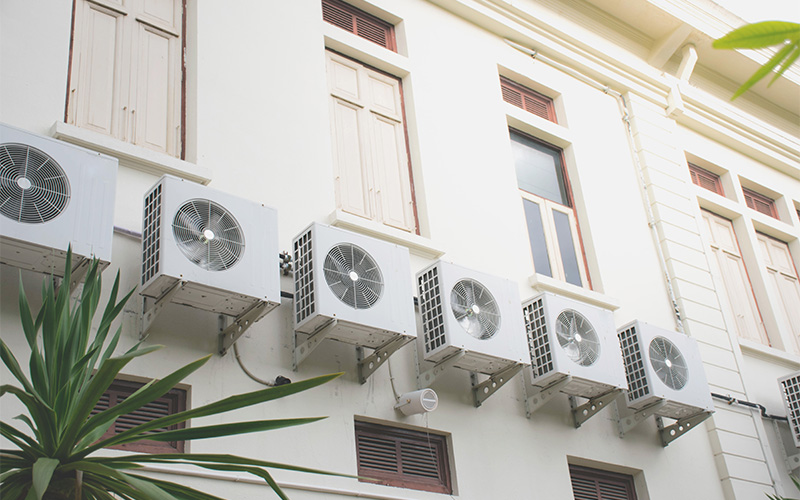
Dirty Air Filters
When air filters become clogged with dust and debris, airflow is restricted. This causes some areas inside the unit to become colder than intended, allowing moisture to accumulate and condense. Over time, this aircon condensation buildup can lead to dripping or even mould growth if left untreated.
Clogged Drain Pipes
A clogged drain pipe is a common reason for water backflow in an aircon system. When dirt, algae, or sludge block the drain line, water cannot be expelled properly. It starts to back up inside the indoor unit and may eventually overflow, leading to visible dripping around the fan coil. This issue is not caused by condensation leakage but by the blocked pipe preventing normal drainage.
High Humidity Indoors
Singapore’s tropical weather naturally leads to high indoor humidity. When warm, moist air meets the cold evaporator coil, water droplets form inside the system. During extremely humid periods, even a well-functioning unit may struggle to handle the moisture load efficiently, leading to aircon condensation.
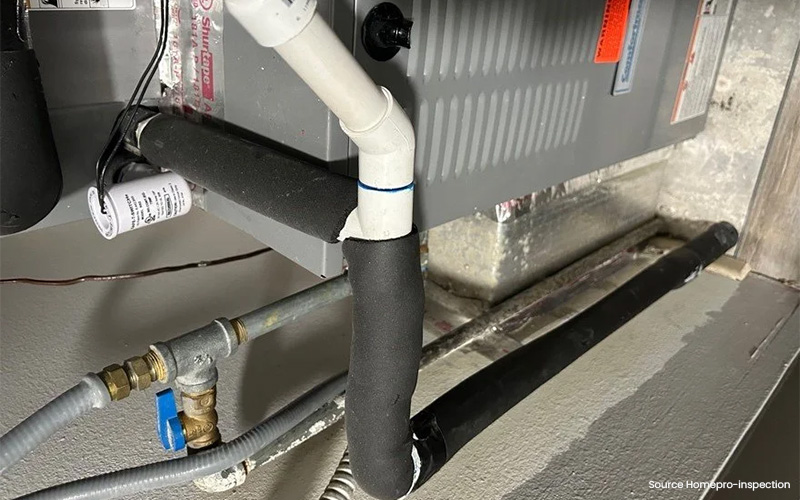
Weak or Damaged Insulation
The insulation covering your aircon’s trunking plays an important role in preventing warm air from reaching cold refrigerant pipes. If this insulation becomes worn or damaged, aircon pipe condensation can occur. This often appears as aircon trunking leakages occur along the walls, especially in older installations.
Low Refrigerant Levels
Low refrigerant levels reduce pressure in the cooling system, which can cause the evaporator coil to freeze. When the ice melts, excess water collects inside the unit and may drip through the vents or casing.
Improper Airflow or Setup
Incorrect installation or restricted airflow can create cold spots inside the system. These uneven temperature zones encourage moisture buildup, contributing to ongoing aircon condensation problems.
How to Fix Aircon Condensation
Clean Air Filters Regularly
Wash or replace air filters every few weeks to maintain smooth airflow. This helps prevent moisture accumulation and keeps your system cooling efficiently.
Clear Drain Lines
If water is pooling inside the unit, check the drain pipe for blockages. A wet or dry vacuum can sometimes clear the line, but severe clogs may require you to engage in professional aircon cleaning services instead.
Reduce Indoor Humidity
Use a portable dehumidifier or switch your air conditioner to “dry mode” during humid days. This lowers indoor moisture levels and reduces condensation.
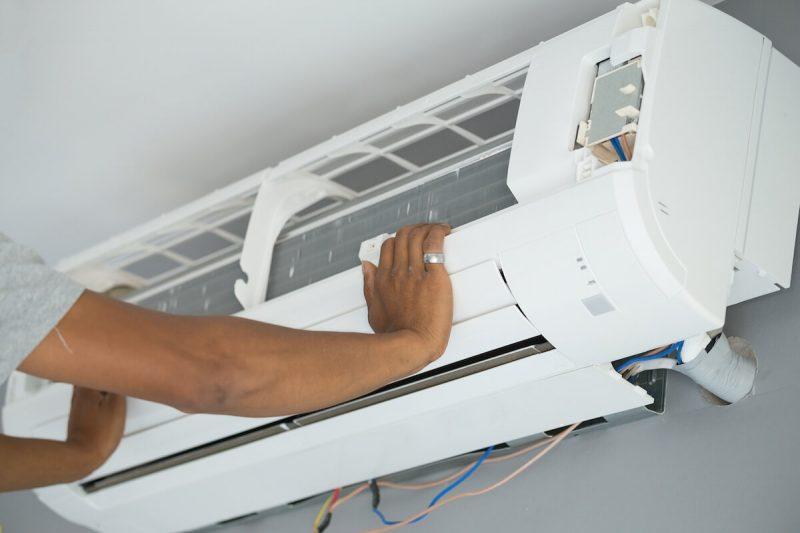
Inspect and Replace Insulation
Damaged or thin insulation around the trunking should be replaced promptly. This prevents warm air from condensing on cold surfaces and stops leaks from reappearing.
Check Refrigerant Levels
Have a qualified technician from a reputable professional aircon service provider inspect your system to ensure refrigerant levels are adequate. They can safely top up the gas if needed, preventing coil freezing and further water buildup.
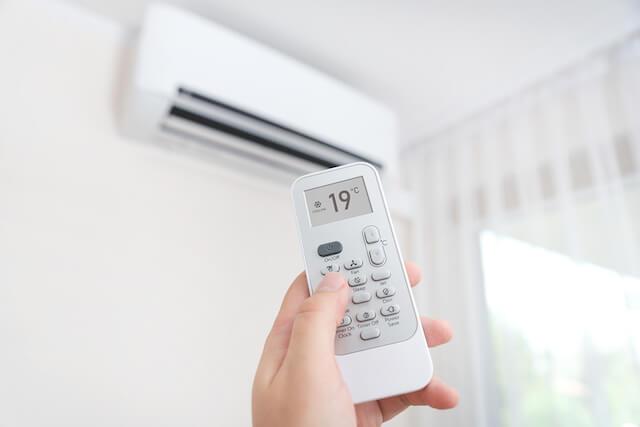
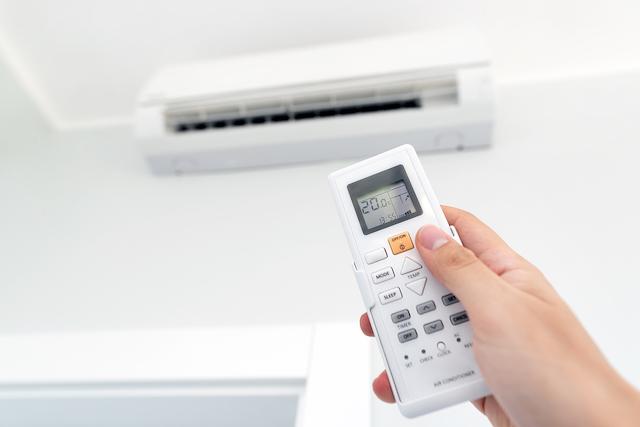
Avoid Very Low Temperatures
Setting your thermostat too low can make internal surfaces excessively cold, encouraging moisture to form. Aim for a moderate, comfortable temperature that reduces strain on your aircon.
Use Adequate Fan Speed
Low wind speed is another common reason condensation builds up inside the aircon. When the airflow is too weak, the cold air does not circulate well and moisture can accumulate along the coils. To reduce this risk, Airple recommends using a fan speed of 3 or higher. Stronger airflow helps the system maintain stable temperatures and prevents excess condensation from forming.
Improve Ventilation
Good airflow helps moisture evaporate faster. Keep doors and windows slightly open for a short time or use ceiling fans to circulate air after extended use.
Aircon condensation can stem from a variety of factors, including dirt, humidity, weak insulation, or refrigerant imbalance. While simple maintenance, such as filter cleaning and drain line clearing, can prevent many aircon condensation issues, recurring or severe leaks may signal deeper mechanical concerns.
At Airple, we specialise in diagnosing and resolving every aircon issue, from aircon trunking leakages to refrigerant-related faults. We are committed to providing aircon servicing that covers everything from inspection to repair, ensuring your system runs efficiently and safely.
If you suspect a leak or persistent moisture around your unit, do not wait for it to worsen. Contact us today and let Airple help restore comfort and reliability to your home.
Sign up for our newsletter
Get the best content on user insights, design, and product management delivered to your inbox every week.
Share This Article