Key Takeaways
- Aircon installations for landed properties require proper planning to ensure efficient cooling, cost control, and system longevity.
- Engage a licensed contractor for safe, compliant, and reliable aircon installation.
- Correct unit placement and BTU calculations are vital for optimal performance.
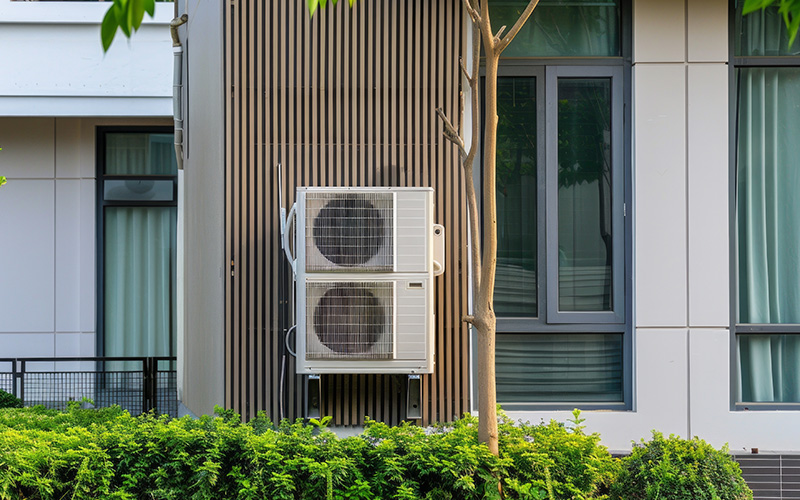
Installing an air conditioning system in a landed property is more complex than it may appear. Planning an aircon installation involves balancing efficiency, comfort, and compliance with building standards. A well-planned setup reduces energy waste, extends the lifespan of your units, and delivers consistent reliable cooling throughout your home. In this guide, we will explore useful tips that will help you plan an aircon installation for your landed property effectively to ensure that the system runs smoothly with minimal long-term issues.
1. Determine Capacity and System Type

The first step in planning an aircon installation for your landed property is to identify the correct aircon cooling capacity. Cooling strength is measured in BTU (British Thermal Units), which depends on your room size and ceiling height. To determine the right aircon cooling capacity, it helps to start with a simple baseline formula:
Floor area (m²) ÷ 5 = kW,
and
kW × 3412 = BTU.
This gives a general estimate of how much cooling power a room needs. For instance, a living room of about 16 m² translates to roughly 3.2 kW or about 12,000 BTU.
However, the final requirement often needs adjustments. Rooms that receive strong afternoon sun, have higher ceilings, or contain heat-producing appliances will require a higher BTU rating. Human presence also adds to the heat load, with each person contributing around 500 BTU per hour. In a situation where ten people are gathered in the living room, a 12,000 BTU estimate would increase to roughly 17,000 BTU, making an 18,000 BTU aircon a more suitable choice.
Selecting the right capacity prevents strain on the compressor and helps maintain energy efficiency.
Next, decide on the system type. Most landed homes in Singapore rely on VRV or VRF systems. These setups offer greater zoning flexibility and allow multiple indoor units to be connected to a single, modular outdoor system. They are designed to handle larger floor areas, multi-storey layouts, and varying cooling demands across different rooms. The right choice depends on your home's layout, size, and preferred level of temperature control.
Find out more in our aircon size guide here.
2. Choose Installation Locations

Proper placement is a critical part of your aircon installation, as it can determine the efficiency of the system's performance. For the indoor unit, positioning it high on a wall ensures better air circulation and even temperature distribution. It should not be placed near direct sunlight, lamps, or heat-producing appliances, as this affects the thermostat's accuracy.
The outdoor compressor should be located in a well-ventilated area that is shaded and stable. Installing it on a solid base helps reduce vibration noise and prolongs its operational life. Avoid tight corners or enclosed balconies that restrict airflow, as this can lead to overheating and reduced efficiency.
3. Engage a Licensed Contractor
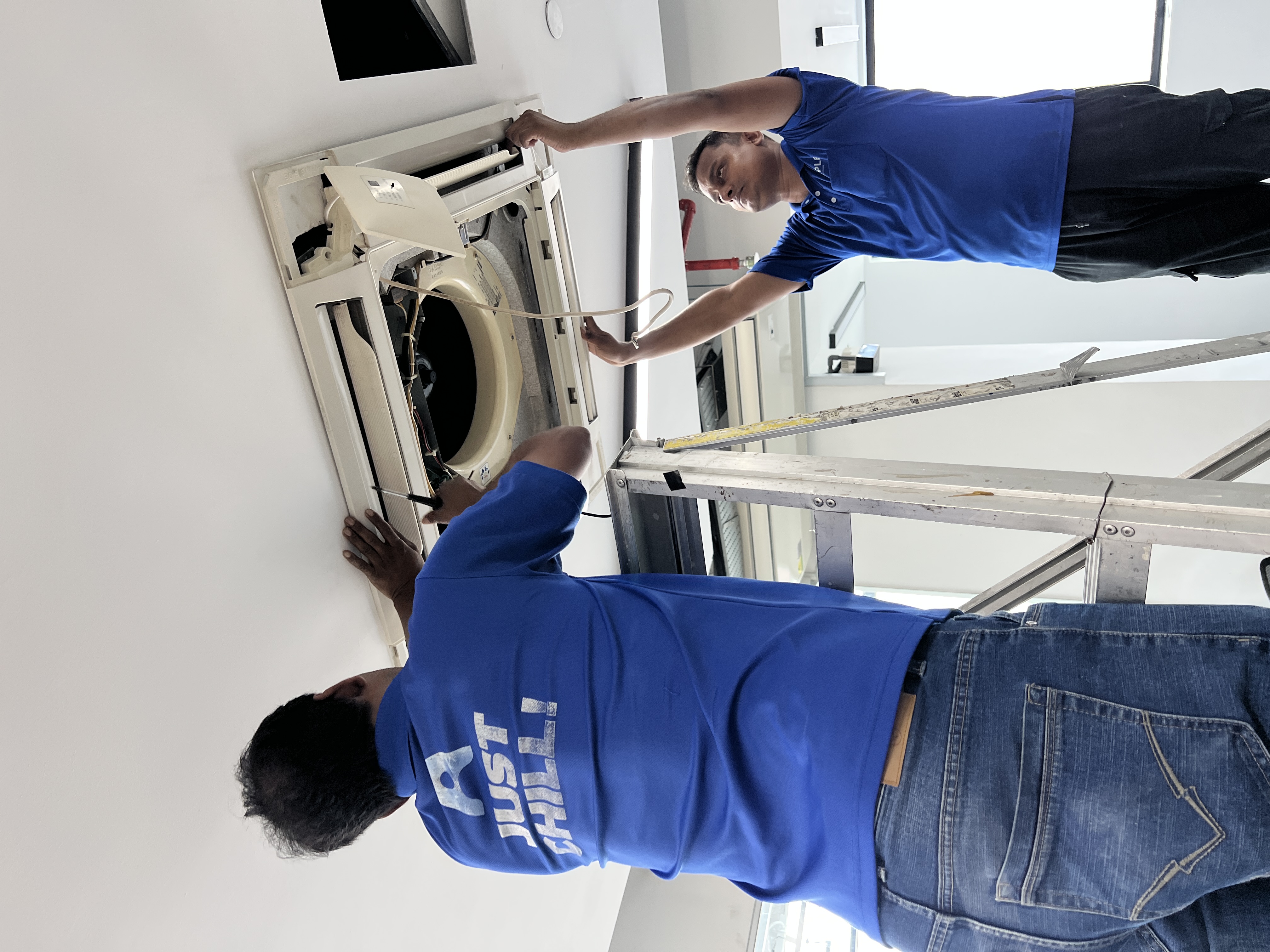
Landed homes often involve complex layouts and concealed piping routes, making professional guidance essential. As a rule of thumb, always engage a BCA-licensed aircon company in Singapore, as a certified contractor can help ensure compliance with safety standards and building codes.
Before installation, an on-site consultation allows the contractor to assess your property layout, confirm suitable unit positions, and plan trunking paths. They can also identify potential obstacles, such as tight ceiling spaces or structural beams, and propose practical solutions. In short, engaging in aircon installation services ensures that your system is fitted safely and efficiently.
4. Plan the Installation Work
A well-organised installation plan can prevent future problems. Refrigerant piping, drainage lines, and electrical wiring must be precisely routed to connect the indoor and outdoor units. Unnecessary bends or overly long piping can compromise cooling efficiency.
In landed homes, these connections are typically concealed within walls or above the false ceiling, rather than exposed in trunking. Proper concealment protects the pipes and wiring while keeping the interior neat and visually clean. Before installation day, clear the working areas to allow technicians easy access to both indoor and outdoor locations.
5. Budget and Timeline
The cost of aircon installations for landed properties varies widely depending on your home's built-in area, the number of rooms, and the type of system selected. For larger homes that require many indoor units, VRV and VRF systems often provide better long-term cost savings compared to traditional split-type setups, because multiple indoor units can share a modular outdoor system more efficiently. Homes with extensive zoning needs or multi-storey layouts benefit the most from this arrangement.
Customised routing within walls or above false ceilings, as well as the complexity of the home's layout, can also influence labour and installation costs.
6. Installation Day Preparation
Before the installation begins, confirm the placement of the indoor units and ensure the walls are clear of obstacles. Prepare a stable base for the outdoor unit and check that the area is free from debris or obstructions.
Once the installation is complete, technicians will conduct a full system test. They will check refrigerant levels, inspect drainage flow, and ensure proper electrical connections before handing over the unit.
Ultimately, a successful installation provides years of dependable performance with minimal maintenance issues. For continued reliable cooling, schedule regular maintenance or an aircon washing service to keep your unit clean and efficient.
A well-planned aircon installation for your landed property ensures long-term comfort, safety, and energy efficiency. From calculating BTU requirements to engaging a qualified installer, each step plays a vital role in achieving lasting results.
As a leading aircon company in Singapore, Airple specialises in a wide range of services, including aircon installation for apartments, offices, and landed properties. Our experienced team handles installation, servicing, and maintenance with care and precision to ensure optimal performance.
Looking to achieve lasting comfort and reliable cooling for your home? Contact us today to schedule a consultation and experience seamless aircon installation done right.
Sign up for our newsletter
Get the best content on user insights, design, and product management delivered to your inbox every week.
Share This Article