Key Takeaways
- Match BTU to room size: oversizing and undersizing both waste energy and reduce comfort.
- Choose inverter technology for any unit used daily: it pays for itself within 1-2 years.
- Aim for NEA 4 or 5 ticks: a 5-tick System 3 costs roughly S$350 less per year to run than a 2-tick equivalent.
- Singapore's Climate Vouchers (up to S$400) can offset the cost of purchasing energy-efficient models.
- New installations in 2025 should specify R32 refrigerant units: more efficient and easier to service than legacy R410A.
- Always engage a licensed, BCA/NEA-registered installer: especially for HDB flats where regulations apply.
Part 1: Introduction

In Singapore's hot and humid climate, air conditioning has become more of a necessity than a luxury. Whether you are looking to install a new unit in your home or office, or simply replace an old, outdated one, selecting the right aircon is essential to ensure comfort and efficiency. However, with so many models and types available, buying an aircon in Singapore can be a daunting task.
This guide aims to simplify the process, providing you with clear insights on how to assess your cooling needs, understand the different aircon types, and evaluate key features before you make your purchase. From energy efficiency to the essential technical terms, we will equip you with the right knowledge to make an informed choice.
By the end of this guide, you will be better prepared to select an aircon unit that fits your home, budget, and long-term goals.
Part 2: Key Factors to Consider Before Buying an Aircon
Before buying an aircon, it is essential to evaluate a few key factors to ensure that you choose the right unit for your needs. These factors will not only affect the aircon's efficiency but also its long-term performance and your comfort.
2.1. Assessing Your Cooling Needs
Room Size and Airflow Requirements
The size of the room you are cooling is one of the most important factors when selecting and buying an aircon. Air conditioners are rated by their cooling capacity, which is measured in BTUs (British Thermal Units). The more BTUs an aircon has, the larger the space it can cool. It is therefore essential to correlate the BTU for your aircon with the size of the room, as too low or too high a BTU can affect the efficiency of the unit.
- Small rooms (around 100 sq ft) typically need air conditioners with a BTU rating of 6,000 to 7,000.
- Medium rooms (about 200 sq ft) will require 12,000 to 13,000 BTUs.
- Larger rooms (300+ sq ft) often need air conditioners in the range of 18,000 to 20,000 BTUs or more.
Keep in mind that the height of the ceiling, the number of windows, and other factors such as insulation will also influence the BTU requirements. For instance, if the room is exposed to the afternoon sun or has a higher ceiling, a higher BTU rating will be needed. It is also important to note that each human being takes up about 500 BTUs per hour.
Usage Patterns: Inverter vs Non-Inverter
For Singapore's climate, where aircons run 6-12 hours daily, inverter technology is strongly recommended.
| Feature | Inverter | Non-Inverter |
|---|---|---|
| How it works | Adjusts compressor speed to demand | Fixed speed - cycles on and off |
| Energy savings | 30–50% lower for daily use | Higher running cost |
| Temperature stability | Consistent, no fluctuations | Slight temperature swings |
| Upfront cost | Higher | Lower |
| Best for | Daily use, 6+ hours/day | Occasional or short-term use |
| Long-term value | Pays back within 1-2 years | Less economical over time |
Air Distribution
Air distribution is another important consideration. For larger spaces or rooms with poor airflow, a split or multi-split system is ideal, as it offers more even cooling compared to a window unit. For smaller, confined spaces, a window or portable unit may be more cost-effective.
2.2. Understanding Different Types of Aircons
Aircon systems come in various types, each designed for different needs and room configurations. When buying an aircon, it is important to understand the breakdown of the most common types:
Window Units
Window air conditioners are a popular choice due to their affordability and ease of installation. They combine the compressor and condenser into one unit, making air conditioning installation more straightforward. However, they are more suitable for smaller rooms, as their cooling capacity is generally limited. They also tend to be noisier than other options.
Split System Aircon
A split system is often preferred for larger spaces. It consists of two parts: an indoor unit that blows cool air into the room and an outdoor unit containing the compressor. These systems are quieter, more efficient, and aesthetically pleasing. They are ideal for homes or offices that need consistent cooling across larger areas.
Portable Units
Portable aircons are a good option for renters or people who need a temporary cooling solution. These units are flexible, as they can be moved from one room to another. However, they tend to be less efficient than window or split systems and can be noisier, which may be a concern for light sleepers or office environments.
Part 3: Key Features to Look for When Buying an Aircon
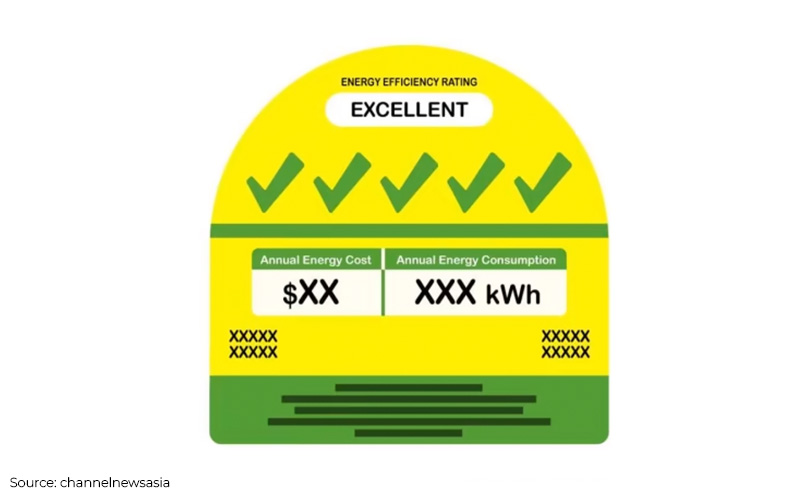
When choosing and buying an aircon, consider the specific features that will affect the unit’s performance, energy efficiency, and comfort. Here are the key features to look out for:
3.1. NEA Energy Efficiency Label: Why 4 or 5 Ticks Matter
Singapore's National Environment Agency (NEA) rates all aircons on a 1-5 tick scale. The higher the rating, the less electricity the unit consumes.
Annual running cost comparison (System 3, 8 hrs/day):
| NEA Tick Rating | Estimated Annual Electricity Cost |
|---|---|
| 2 Ticks | ~S$850/year |
| 3 Ticks | ~S$680/year |
| 4 Ticks | ~S$580/year |
| 5 Ticks | ~S$500/year |
Based on average Singapore electricity tariff. Actual costs vary by usage.
A 5-tick system costs approximately S$300-S$600 more upfront than a 2-tick equivalent but recovers that gap within 2 years through electricity savings.
Climate Vouchers: As of 2026, eligible Singapore households can use government Climate Vouchers (up to S$400) to offset the purchase of energy-efficient aircon models. Check your eligibility at the Climate Friendly Households Programme website.
The Energy Label
In Singapore, energy efficiency is a significant concern, given the frequent use of air conditioning systems. Aircons are rated using a tick system, with 5 ticks representing the most energy-efficient models. A higher tick rating typically means lower long-term electricity consumption, helping you save on your utility bills and reduce your environmental footprint. When buying an aircon, choose one with at least a 4 or 5-tick rating to ensure long-term energy savings.
Inverter Technology
Inverter air conditioners are equipped with a technology that adjusts the compressor’s speed according to the room's cooling needs. This means the aircon can run continuously without fluctuations, providing consistent temperatures and significantly reducing energy consumption. An inverter system is ideal for homes or offices that require frequent cooling, as it is far more energy-efficient than non-inverter units.
Auto-Energy Save Mode
Many modern aircons come with an energy-saving feature known as Auto-Energy Save Mode. This feature automatically adjusts the cooling output when the room reaches a comfortable temperature, reducing the power consumed and preventing unnecessary overcooling.
3.2. Noise Level and Comfort
Decibel Levels
An aircon’s noise level is an essential consideration, particularly for bedrooms or study areas where you need a quiet environment. Aircon units are measured in decibels (dB), and the lower the dB rating, the quieter the unit. When buying an aircon, you should ideally look for models with noise levels below 40 dB, as anything above that could be disruptive.
Noise Reduction Features
Advanced models feature noise reduction technology, which minimises operational noise. Some aircons even have silent modes, which reduce noise to an almost inaudible level when the room temperature reaches your desired level.
Vibration Control
Some air conditioners incorporate anti-vibration features, which help reduce rattling and shaking during operation. This can further enhance comfort and ensure smooth, quiet operation, especially in areas where noise can be a major disturbance.
3.3 Smart Features
Modern aircons offer Wi-Fi connectivity, app control, and smart scheduling. These features are worth considering if you:
- Work from home and want to pre-cool before arriving in a room
- Want to automate off/on timers remotely
- Are integrating with a smart home system
Look for compatibility with Google Home, Amazon Alexa, or the brand's own app (e.g. Daikin's Residential Controller, Mitsubishi's MELCloud).
3.4 Air Filtration and Health Features
Useful for households with allergy sufferers, young children, or elderly residents:
- Panasonic Nanoe-X: breaks down bacteria, viruses, and allergens
- Daikin Streamer: deactivates airborne pollutants
- Mitsubishi Electric Plasma Quad Plus: captures fine particles and deactivates bacteria
Part 4: Aircon Terms You Need to Understand
To make an informed decision when buying an aircon, it is important to understand the key terms used when discussing air conditioners. Here are some essential terms that will help you in your search for the ideal unit.
4.1. BTU (British Thermal Units) and Cooling Capacity
BTU Explained
Although this has been briefly covered earlier in the article, here is a more in-depth explanation of what BTU means. It refers to the amount of heat an aircon can remove from a room in an hour. The higher the BTU rating, the more powerful the unit. For example, a 10,000 BTU unit will cool a room faster and more efficiently than a 5,000 BTU unit. When buying an aircon, ensure you choose the right BTU rating based on the size and layout of your room. Too low a BTU will result in inefficient cooling, while too high a BTU may lead to excess energy consumption and inadequate humidity control.
4.2. Warranty and After-Sales Support
Warranty Period
Before buying an aircon, check the warranty provided with the unit. A reputable brand should offer at least a 5-year warranty on the compressor and other critical components. This ensures you are covered in case of defects or malfunctions. Be sure to read the warranty details to understand what is included.
Installation and Service Support
Choosing a model with comprehensive installation and after-sales support can save you time and hassle. Many aircon brands offer professional installation services, which are crucial for ensuring your unit is set up correctly. Additionally, after-sales support, including free servicing for the first few years, can help keep your aircon running efficiently and prolong its lifespan. Alternatively, consider hiring third-party aircon installation services from reputable providers like Airple.
Extended Service Contracts
Some aircon providers also offer extended service contracts that cover regular air conditioner servicing, maintenance, and repairs. This can be particularly valuable as it ensures your unit receives timely servicing, keeping it in top condition for years.
Part 5: Installation Considerations for Your New Aircon
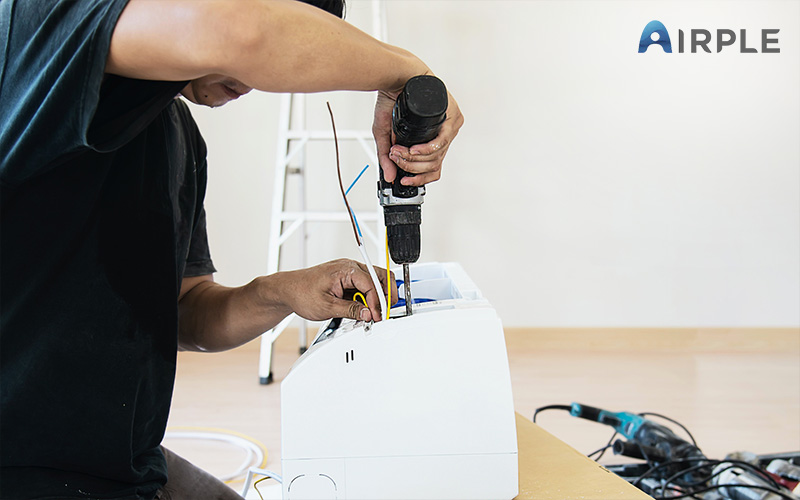
After buying your aircon, be sure to install it properly to ensure long-term performance. Incorrect installation can lead to inefficiencies, higher energy bills, and even breakdowns. Here is everything you need to know about installation:
5.1. Professional Installation: Why It Matters
Correct Installation is Crucial
Professional aircon installation ensures that your aircon is set up correctly and works efficiently from day one. A licensed technician will install your unit according to manufacturer guidelines, optimising airflow, cooling efficiency, and drainage.
Expert Technicians
Skilled technicians from trusted air conditioning contractors like Airple are trained to handle the complexities of air conditioning installation. They will ensure the unit is installed with the proper connections and safely positioned for optimal cooling.
5.2. Common Installation Mistakes to Avoid
Incorrect Placement
One of the most common installation mistakes is setting up the aircon in an unsuitable location. For instance, placing the unit in direct sunlight or near heat-producing devices such as lamps, TVs, or cookers can cause the system to overheat, reducing efficiency and leading to higher energy consumption. Always ensure that your aircon is placed in an area with sufficient airflow, away from any heat sources.
Improper Sizing
When buying an aircon, choosing the wrong size aircon can lead to inefficiency and higher energy costs. An oversized unit will cool the room too quickly without adequately dehumidifying the space, while an undersized unit will have to work harder to reach the desired temperature. Both situations result in unnecessary energy usage and reduced comfort. It’s important to get expert advice or consult the BTU guidelines to find the right fit for your room.
Lack of Maintenance
A lack of routine aircon cleaning and maintenance can severely reduce the lifespan and performance of your unit. Regular cleaning of filters, checking refrigerant levels, and servicing the unit at least annually will help keep your aircon running smoothly. Neglecting maintenance can lead to blocked filters, reduced airflow, and even more significant issues such as refrigerant leaks or electrical failures.
Part 6: Maintaining Your Aircon for Longevity and Efficiency
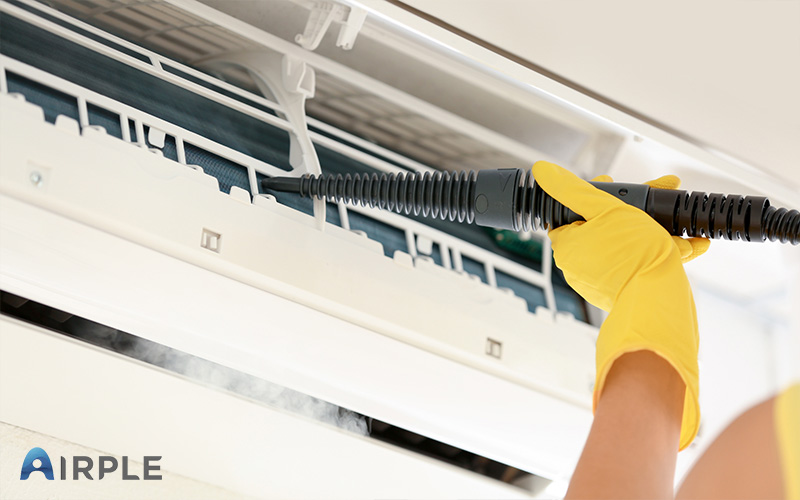
Proper maintenance ensures that your aircon continues to perform at its best, saving you money on energy bills and reducing the risk of breakdowns. Here are some tips on how you can keep your aircon in top condition:
6.1. Routine Cleaning and Filter Replacement
Regular Cleaning
Cleaning the filters every 2 to 4 weeks is essential to maintaining airflow and optimal cooling. Clogged filters not only reduce air quality but can also decrease efficiency, forcing the unit to work harder and consume more energy. If you are unsure how to clean your filters, refer to the manufacturer’s guidelines, or seek professional air conditioning services in Singapore.
Replacing Filters Annually
Even with regular cleaning, filters can become damaged or worn out over time. It is essential to replace filters annually to maintain airflow and keep your aircon working at peak efficiency. Depending on the filter material and your aircon’s usage, replacement may need to occur more frequently.
Cleaning the Coils and Drainage System
Evaporator coils and the drainage system should be cleaned every 6 to 12 months to prevent dust buildup and blockages. Dirty coils hinder the heat exchange process, reducing cooling efficiency, while clogged drainage can lead to water leakage or internal damage.
6.2. Scheduling Professional Maintenance
Annual Servicing
After buying an aircon, it is crucial to schedule professional aircon servicing and maintenance at least once a year. After all, with such a hefty investment, you will naturally want it to last as long as possible. During a full-service check-up, technicians will inspect and clean the internal components, check for refrigerant leaks, and recalibrate settings to ensure your aircon is functioning optimally. Regular aircon servicing helps detect any potential issues early, preventing costly breakdowns and keeping your system running efficiently.
Identifying and Fixing Issues Early
Annual servicing allows technicians to identify problems like refrigerant leaks, coil issues, or motor wear. Addressing minor issues before they become major problems saves money on repairs and extends the lifespan of your unit.
Optimising Performance
Technicians can also optimise your aircon’s performance, ensuring it runs as efficiently as possible. This includes cleaning the condenser coils, adjusting refrigerant levels, and replacing worn-out parts. By investing in regular professional air conditioning services, you can keep your aircon in top working condition and ensure a long lifespan.
FAQs
How do I know which aircon size is right for my room?
Measure your room's square footage and refer to the BTU guide in Part 1 above. For a standard HDB bedroom of around 120-150 sq ft, a 1.0-1.5 HP inverter unit is typically sufficient. Consult a licensed aircon contractor if you are unsure; Airple offers free consultation on sizing.
How much does it cost to buy an aircon in Singapore?
A System 1 single split starts from around S$950 including installation. A System 3 for a typical 4-room HDB flat ranges from S$2,500 to S$3,800 depending on brand and model.
Where is the best place to buy an aircon in Singapore?
You can buy from electronics retailers such as Gain City, Harvey Norman, and Courts, or directly through a licensed supply-and-install aircon provider. Buying through a service provider like Airple bundles the unit, professional aircon installation, and after-sales servicing into one arrangement.
Should I buy a Daikin or Mitsubishi Electric aircon?
Both are excellent. Daikin has a wider local service network and stronger dehumidification performance. Mitsubishi Electric leads on quiet operation (as low as 19 dB) and is the preferred choice for bedrooms. For most Singapore homeowners, either brand is a sound long-term investment; the specific model and price at the time of purchase often matter more than the brand.
Is R32 better than R410A refrigerant?
For new installations, yes. R32 is more energy-efficient, has a lower global warming potential, and is cheaper to top up in the event of a refrigerant leak. All new aircon installations in Singapore as of 2025 should specify R32 units.
How long does aircon installation take?
A single split unit takes 2-4 hours. A multi-split System 3 or 4 typically takes 4-8 hours. Ducted aircon or VRF aircon systems may require 1-3 days depending on the scope of ductwork.
Choosing the right aircon comes down to sizing correctly, choosing an energy-efficient inverter model with a strong NEA rating, and ensuring professional installation from a licensed contractor. Take care of it with regular servicing, and it will serve you reliably for well over a decade.
At Airple, we handle everything from supply and installation to ongoing servicing across all major brands: Daikin, Mitsubishi Heavy Industries, Panasonic, LG, Samsung, Midea, Fujitsu, and Haier.
Contact us today for a free consultation or to book your aircon installation.
Sign up for our newsletter
Get the best content on user insights, design, and product management delivered to your inbox every week.
Share This Article